Beskrivning
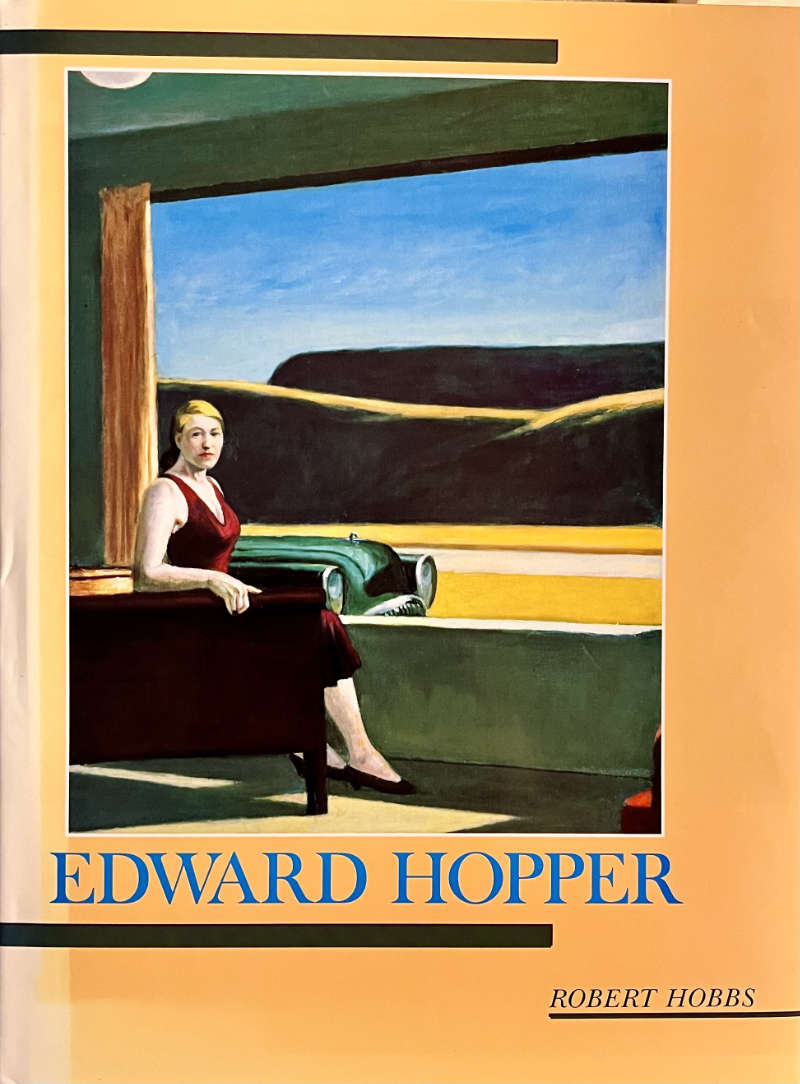
Edward Hopper is perhaps one of the best known twentieth-century American artists, yet he is also one of the most enigmatic. Paintings like Early Sunday Morning and Nighthawks stand as icons in the American consciousness, but for all their familiarity they remain elusive somehow just beyond the viewer’s grasp.
Who was this man? What do his paintings mean? These are questions frequently posed but never before so interestingly or provocatively ad- dressed as in this volume on Hopper’s life and art. Robert Hobbs, the author, surveys Hopper’s development as an artist the influence of his teacher Robert Henri, his early and formative trips to Paris, his work as an illustrator, his first sold-out show, the role of Josephine Hopper, his wife and model and then goes on to examine his artistic coming of age with such monumental works as his 1957 Western Motel. Throughout his career, the subjects of Hopper’s art urban scenes, country landscapes, and the people who inhabit them-convey a sense of yearning and nostalgia, which, combined with a luminous painting technique, leave the viewer of his art unmistakably moved.
Hobbs traces Hopper’s unique style and approach to his subject matter by placing the artist’s work within the context of the changes brought about by history and by technology-most particularly the introduction of the automobile into American life. If the people in his paintings seem isolated, cut off from the mainstream, or if a run- down Victorian house stands next to gleaming new railroad tracks, it is because the individual and his traditional way of life suffer a fundamental loss in the fast-moving wake of technological progress.
Included in this volume are a chronology, bibliography, and index.
102 illustrations, including 55 plates in color